“These results confirm the strength of our business model and the Group’s continued growth momentum. In an uncertain global environment, IBL is moving forward with discipline, supported by its Beyond Borders strategy, which is now focused on integration. Our priority is to create more value from what we have built, by strengthening synergies across our businesses and consolidating our positions in key markets. This approach, supported by the commitment of our teams across the Indian Ocean and East Africa, is helping us translate our strategy into tangible results and create sustainable value for all our stakeholders,” said Arnaud Lagesse, Group CEO of IBL.
The Group’s performance was supported by all four clusters – Retail, Consumer Brands & Distribution, Industrials and Services – each of which recorded growth in both revenue and operating profit over the period. Profit from continuing operations increased by 21.0% to Rs 3.5 billion, despite a higher tax expenses incurred during the period.
IBL also continued to strengthen its financial position. EBITDA increased by 19.4% to Rs 11.2 billion, while the net debt/ EBITDA ratio improved from 3.8x in June 2025 to 2.8x in March 2026. This reflects the progress made by the Group in reducing debt and improving financial flexibility.
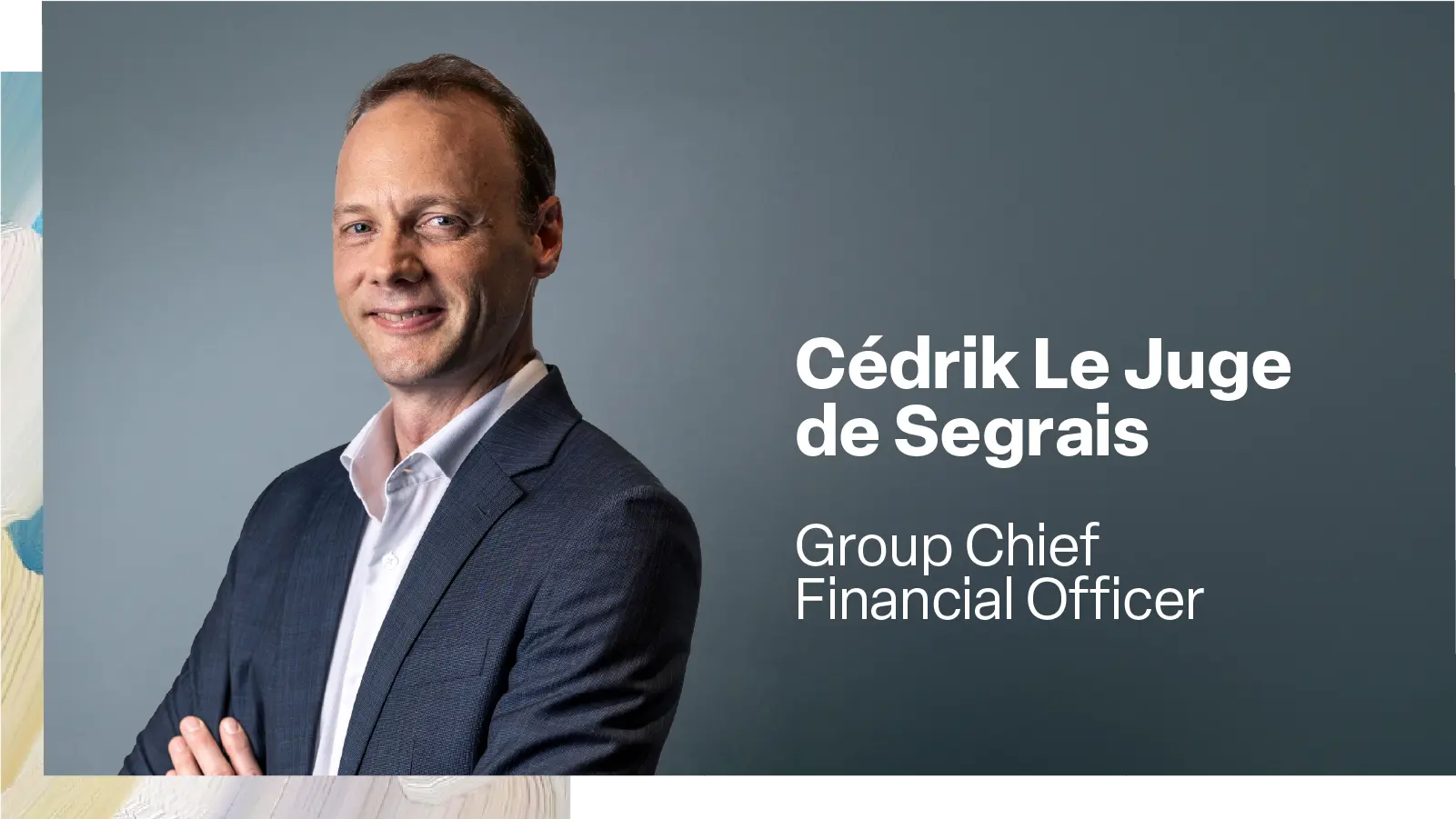
“The increase in operating profit and EBITDA, supported by strong cash-flow generation, reflects the continued improvement in our operational performance. This momentum, combined with targeted transactions, has also enabled us to continue reducing net debt. We are closely monitoring the international environment and taking the necessary actions to support the Group’s financial performance,” said Cédrik Le Juge, Group CFO of IBL.
The Retail cluster continued to perform well across its main markets. Revenue increased from Rs 41.5 billion to Rs 45.8 billion, while operating profit rose from Rs 1.6 billion to Rs 2.3 billion. In East Africa, Naivas, Kenya’s leading supermarket chain, recorded sustained revenue growth. This was supported by the strong performance of existing stores and the continued expansion of its network, which now stands at 114 stores, compared to 109 during the same period last year. In Mauritius, Winners delivered revenue growth, supported by the contribution of its recently opened stores in Manhattan, Orchard and Windsor, as well as the reopening of the Garden Tower store. The Tribeca and Cascavelle stores also continued to contribute positively to performance. In Réunion Island, Run Market maintained its positive trajectory, with revenue growth, improved margins and continued cost optimisation initiatives. As previously communicated, Run Market and Caillé Grande Distribution, the operator of 49 Leader Price stores in Réunion Island, announced in January 2026 that they were exploring a strategic combination of their activities.
The Consumer Brands & Distribution cluster recorded revenue growth from Rs 19.2 billion to Rs 22.3 billion, while operating profit increased from Rs 1.7 billion to Rs 1.9 billion. PhoenixBev recorded higher revenue growth in Mauritius, while the consolidation of Seybrew, recently acquired in the Seychelles, marked an important step in the company’s regional expansion. BrandActiv recorded year-on-year revenue growth, supported by strong performance in the Frozen & Chilled and Personal Homecare segments and the rollout of new product offerings. In Healthcare Distribution, Harley’s achieved revenue growth driven by network expansion, new tenders awarded, portfolio diversification and improved channel management. Gross profit margins remained stable year-on-year, while profitability was impacted by expansion-related costs. HealthActiv delivered topline growth, supported by higher volume of tenders secured and the onboarding of new laboratories. Profitability was, however, affected by rising operating costs.
The Industrials cluster recorded revenue growth from Rs 12.9 billion to Rs 15.1 billion, while operating profit increased from Rs 771.7 million to Rs 1.0 billion. Performance across the cluster reflected different dynamics within its main activities. CNOI recorded an increase in topline driven by ship building activities and the reparation segment operating at full capacity, though margins declined due to higher costs linked to ship building. Manser Saxon improved profitability through stronger project execution, margin gains on some projects, and new contracts, despite a slight turnover shortfall. UBP saw lower revenue in Mauritius due to reduced manufacturing volumes, with profitability impacted by higher administrative and financing costs linked to the Bazalt Réunion acquisition, while Réunion operations had a good operating performance. CMH, ServEquip and Blychem maintained steady activity, with different levels of contribution across their segments. The Seafood sector recorded a slight increase in revenue. This was supported in particular by Marine Biotechnology Products (MBP), which benefited from higher volumes of fish meal and fish soluble. Better margins at Cervonic and MBP helped improve the overall profitability of the segment, although costs continue to be closely monitored.
In the energy sector, IBL Energy continued to progress, especially with the development of the Seabrew Solar project. In the agricultural sector, Miwa delivered strong revenue growth. This was supported by higher volumes and better prices at TPC and TSCL. As a result, net profit increased significantly, supported by better prices and a stronger sugarcane harvest. Alteo’s Agro-business segment delivered a strong performance, with profit after tax increasing significantly, supported by higher cane tonnage, improved special sugar volumes and favourable movements in biological asset valuations.
The Services cluster remained a major contributor to the Group’s profitability. Revenue increased from Rs 13.2 billion to Rs 14.9 billion, while operating profit rose from Rs 2.2 billion to Rs 2.8 billion. In the hospitality sector, LUX* recorded revenue growth, driven by higher occupancy rates and improved RevPAR in Mauritius and Réunion Island. In the Maldives, occupancy rates were affected by the geopolitical situation in the Middle East, although this impact was partly offset by higher ADR. The Lux Collective also reported improved results, supported by the performance of its key destinations. In the property sector, Bloomage continued to grow, supported by higher rental income, new assets and high occupancy rates. BlueLife also improved its performance, mainly through its property segment, with projects progressing in line with plan. Bloomage Ltd has made a voluntary offer, on 30 March 2026, to acquire the entire shareholding of BlueLife Limited, the offer period closed on 12 May 2026. The voluntary offer forms part of a long-term strategy to build a larger, more diversified and integrated real estate and mixed-asset platform.
In financial services, DTOS recorded modest revenue growth driven by higher management fees and registry services, while profitability was impacted by rising staff, IT, and business development costs. Eagle Insurance continued to deliver strong growth supported by motor and health segments, with improved underwriting performance and higher investment returns driving an increase in profitability. Confido continued its positive momentum, with improvements in both topline and bottom line. City Brokers’ profitability increased, supported by growth in premiums and an expanded client base. In healthcare services, the Group continued to focus on creating long-term value in the private healthcare sector, with the takeover of the management of Nouvelle Clinique Mauricienne. In logistics, the Aviation segment recorded a notable recovery in profitability, supported by increased activity in ground handling and Ground Sales Agent operations. Logidis, Somatrans and the Shipping activities continued their optimisation efforts in a more demanding cost environment.