Inside IBL in East Africa: from an investment office to a regional platform
When IBL opened its East Africa office in Nairobi in 2018, the ambition was: to establish a presence on the ground, understand the market and identify long-term business development and investment opportunities across the region. Eight years later, that lean and agile team plays an important regional coordination role for the Group in East Africa – helping IBL stay close to its businesses, partners and opportunities across retail, healthcare, renewable energy, agriculture, financial services and FMCG distribution. We spoke to Michel Pilot, COO of IBL East Africa, about the origins of the office, the evolution of the Beyond Borders strategy and the role East Africa now plays within the wider Group.
What was the original mission of IBL East Africa when the office first opened in 2018?
Initially, the objective was really to establish an IBL presence in East Africa and build the right network on the ground. A lot of time was spent meeting local stakeholders, understanding the investment ecosystem and building relationships with banks, family offices, lawyers and the wider business community. At that stage, the Nairobi office was mainly focused on business development, sourcing investment opportunities, evaluating markets and supporting the Group’s M&A ambitions in the region.
What changed after Covid?
If anything, Covid reinforced the importance of the Beyond Borders strategy. In 2021, the Group launched a strategic sprint with McKinsey to reassess priority sectors and refine the regional roadmap. Retail, healthcare distribution, FMCG distribution, renewable energy, logistics and industrial property quickly emerged as strategic sectors in which IBL believed it could create long-term value. The pace accelerated very quickly after that. The Naivas deal moved particularly fast. It came to us in late 2021 and was signed in June 2022. One year later, IBL increased its participation from 40% to 51%. That said, we looked at more than sixty deals before completing any major transactions. We were extremely selective about the opportunities we pursued.
How significant was the Naivas acquisition for IBL East Africa?
It was a turning point – both for the East Africa office and the IBL Group overall. Today, Naivas operates 114 stores and generates close to USD 900 million in annual revenue. It’s a major contributor to the Group’s revenue. Alongside that deal, we also completed the acquisition of healthcare distributor Harley’s, Equator Energy in renewable energy, and several other investments and business set-ups and partnerships across the region. In just a few years, the nature and scale of IBL in East Africa changed considerably.
How has the role of the Nairobi office evolved since those first investments?
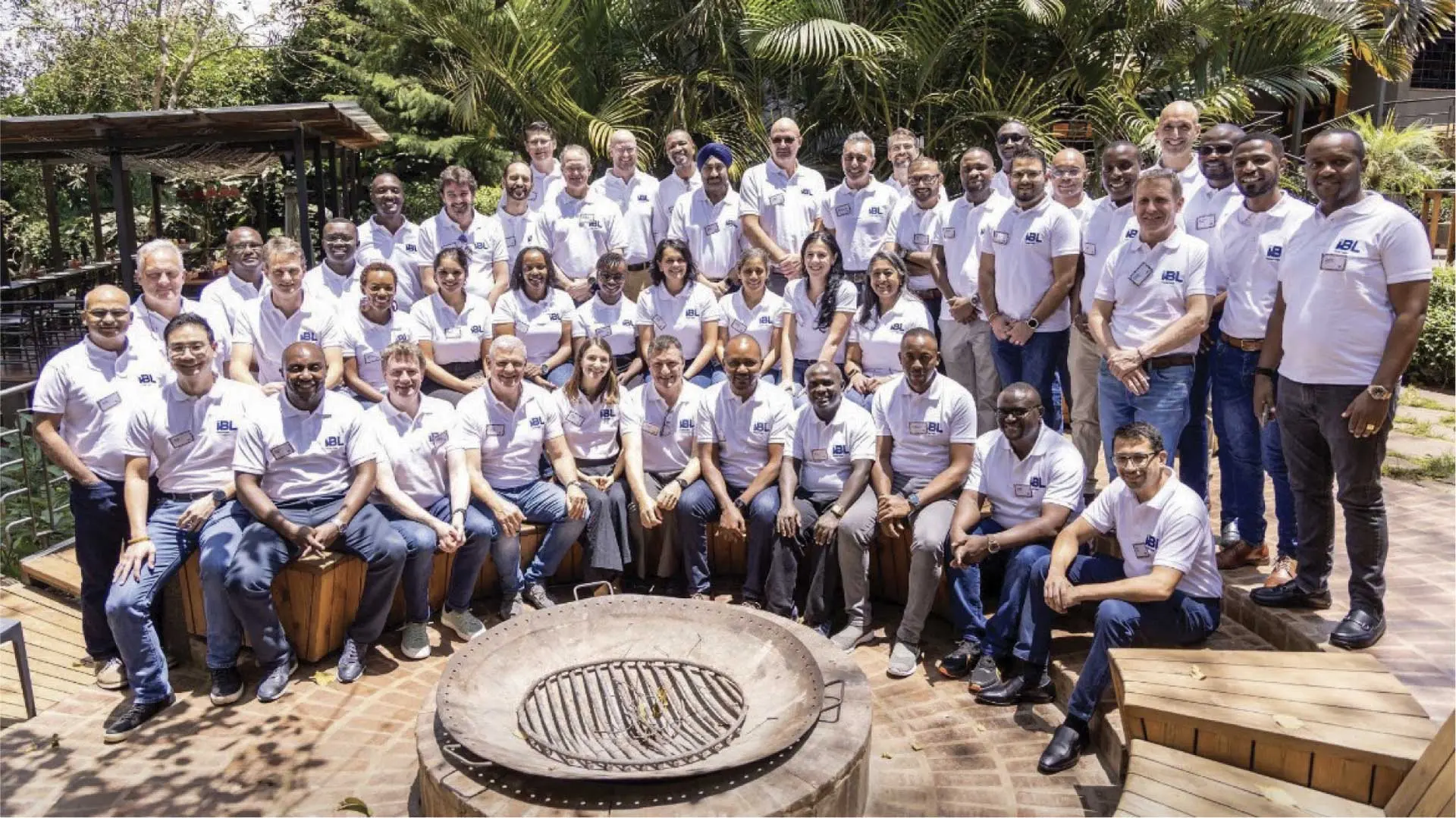
Initially, we mainly acted as a business development and investment advisory office. Today, the role is much broader. We now function more as an integration and value creation office for IBL’s activities in Kenya, Uganda, and Tanzania and across the region. That means helping portfolio companies align with Group governance, supporting value creation initiatives and operational integration, managing stakeholders on the ground and creating synergies between businesses. We are the oil in the engine. Our role is to bring people together, maintain relationships and make sure the ecosystem functions smoothly.
Relationship-building seems to play an important role in East Africa.
How do you approach that personally?Relationships here are built over time and often outside formal meetings. A lot of it happens through conversations, dinners, visiting each other’s homes and genuinely taking the time to understand people beyond the transaction itself. You need to be present and invest in the relationship long before discussing business. That human aspect is extremely important and something we value and place a lot of emphasis on as a team.
So, what’s next for IBL in East Africa?
We are still playing an advisory and integration role, but increasingly we are also connecting businesses across the IBL ecosystem and identifying opportunities for collaboration between East Africa and the Indian Ocean. There is a strong talent pool here and strong execution capability and I think the future will involve much more cross-fertilisation between the Group’s different markets, not only operationally, but also through people and expertise.