ESSEC: building the talent Africa needs
IBL’s partnership with ESSEC’s “Business and Industry in Africa” Chair is built on a simple premise: supporting the Group’s long-term regional ambitions and the transformation of African economies requires people who understand the continent’s specific markets, realities and operational complexities.

A programme built around Africa’s realities
Of ESSEC’s 24 chairs, this one is unique. Launched in 2025, it is the only one dedicated entirely to Africa: its industries, its markets, the forces driving its growth. That commitment runs through the programme’s structure. Students study across three campuses on three continents: Cergy, Singapore, and Rabat, where a full term is spent on African business realities. They also travel: Côte d’Ivoire in 2025, Kenya in 2026, a market IBL knows well.
“Recognising the Chair on the diploma is a deliberate choice,”says Benoît Chervalier, co-founder and Executive Director of the Chair and a corporate banker with over 20 years on the continent. “It’s a statement of intent.”
Resilience over credentials
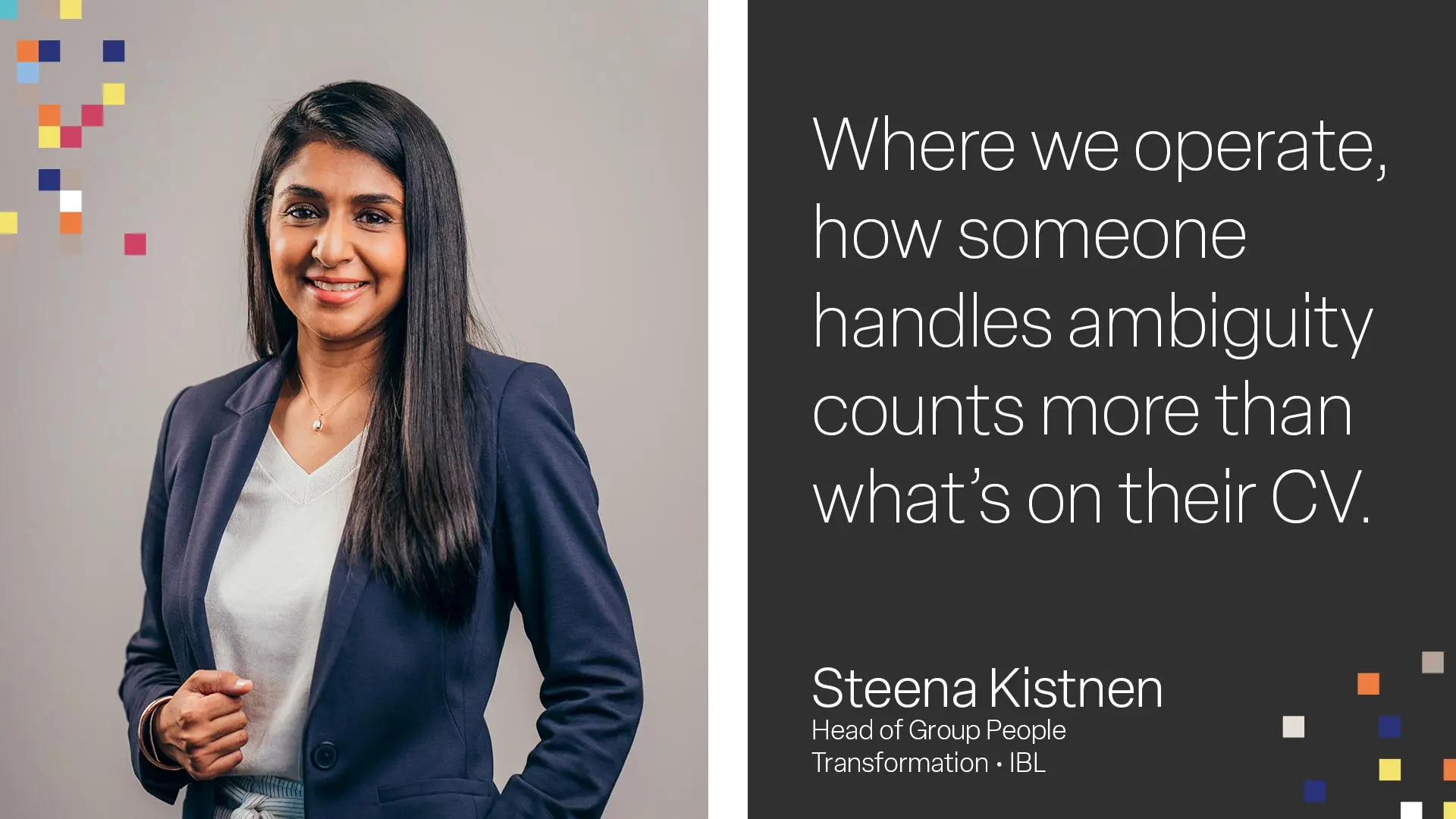
IBL isn’t just looking for strong academic profiles. “We need people who can hold their ground and stay sharp when things get complicated,” says Steena Kistnen, Head of Group People Transformation. Each cohort mixes fresh graduates with experienced professionals, and that mix matters. It builds the kind of adaptability that no curriculum alone can teach. “In the markets we operate in, how someone handles complexity often counts more than what’s on their CV,” Steena says.
The value of a fresh perspective
Once in the business, these profiles bring a fresh perspective. They can spot cumbersome processes, ways of working that could be improved, or decisions that take time to move forward. “The insight is valuable when it sheds light on something the business had normalised,” says Steena. “But it only lands if it comes with genuine curiosity and a willingness to understand why things are the way they are.”
Playing the long game
The pipeline is still young. The next phase is about making it more intentional: spotting the right candidates earlier, building stronger connections across Group businesses, and tracking not how many people come through, but what they actually go on to do.
As Benoît Chervalier sees it, ambition runs deeper than talent development: “We’re building a network of people who are genuinely invested in Africa’s future. That’s what an alumni community becomes, over time.”