
When Ireland Blyth and GML merged in 2016, the ambition was not simply to create a larger group. It was to build an organisation capable of operating, scaling and competing beyond Mauritius, while remaining rooted in the strengths that had shaped both groups for decades. Ten years later, IBL is present in 20 countries, employs more than 40,000 people and generates more than half of its revenue outside Mauritius. In FY2024 alone, Grouprevenue surpassed Rs 100 billion – a reflection of how far IBL has transformed over the past decade.
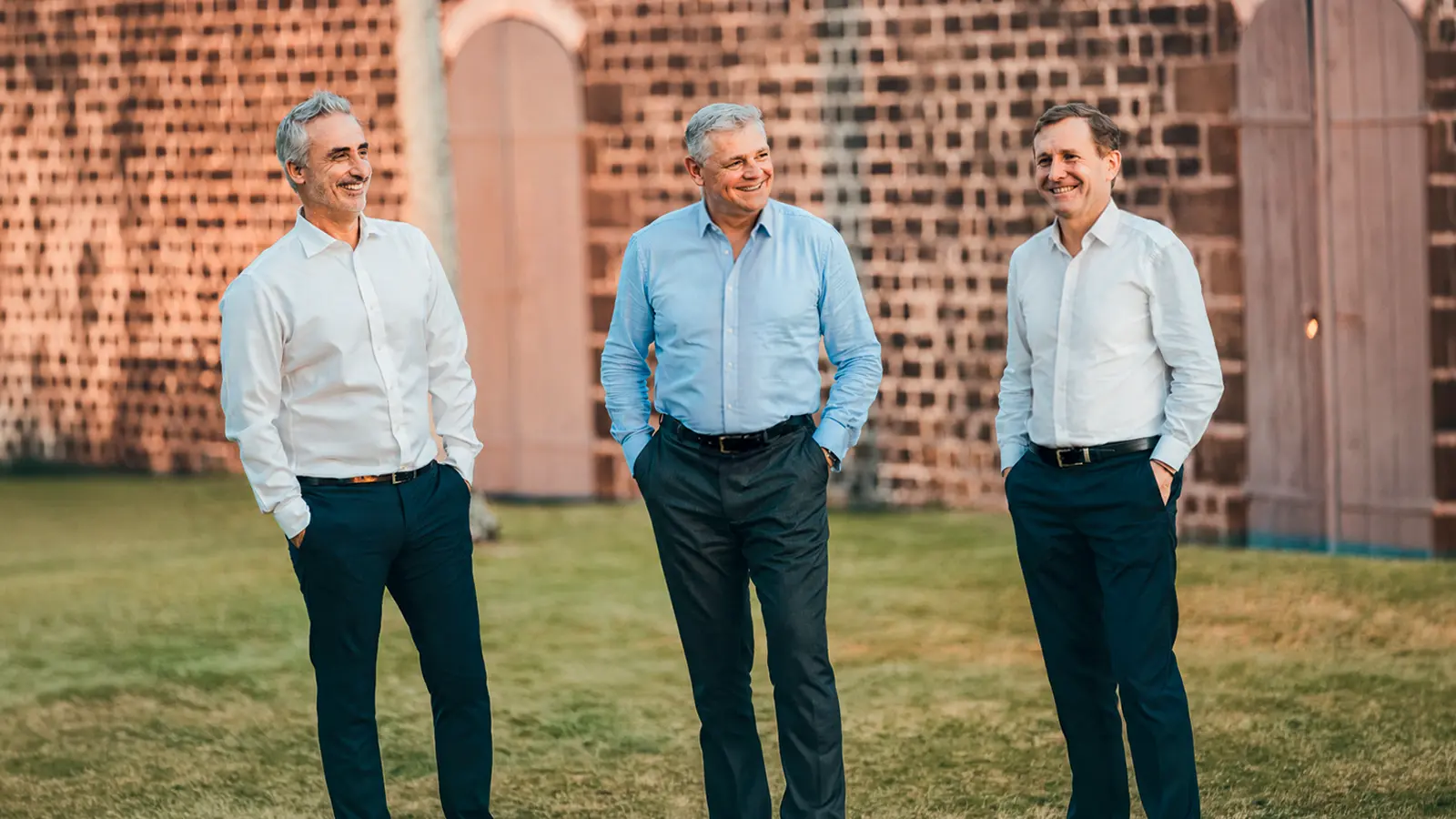
The merger brought together two historic Mauritian institutions. On one side was GML Investissement Ltée, the Lagesse family’s investment holding, with roots dating back to 1938. On the other was Ireland Blyth, one of Mauritius’ oldest operating groups. The combined scale was already significant. But for Arnaud Lagesse, Group CEO of IBL, the central question was how IBL could continue to grow within the limits of the Mauritian market. “We were hitting walls,” he says simply.
That realisation marked the beginning of a broader shift. Future growth would require an organisation able to expand across markets while remaining disciplined, focused and operationally excellent. Group Head of Corporate Services Thierry Labat, who moved from GML into strategic leadership roles within IBL after the merger, saw firsthand how the Group began redefining its ambitions. He remembers two organisations operating in fundamentally different ways: GML as a lean investment holding structure, where subsidiaries operated independently with their own governance, and Ireland Blyth as a more centrally managed operating group supported by head office functions. “The real work started after the merger,” he says.
The merger did not lead to teams being dismantled. Instead, over time, shared services, cross-functional collaboration and a stronger common culture gradually reshaped the organisation. That alignment became essential as the Group started looking more seriously beyond Mauritius, including at opportunities in Mozambique, Gabon and Uganda. Those experiences, however, highlighted the complexity of operating across the continent. “We learned some lessons the hard way,” Arnaud says candidly. Those lessons proved valuable. Regional expansion would require patience, operational expertise and far greater discipline in how opportunities were assessed.
In 2018, IBL strengthened its presence in Nairobi to better understand the East African market and evaluate long-term opportunities across the region. Over the following years, IBL would go on to invest roughly USD 380 million across East Africa and the Indian Ocean region. But the early phase was defined less by expansion than by discipline. For nearly three years, the team studied markets, built relationships and assessed opportunities without signing a single deal.
Then COVID-19 arrived. Mauritius closed its borders for eighteen months. While the immediate priority was to protect livelihoods and stabilise operations at home, the crisis also created space to rethink IBL’s long-term direction. Arnaud brought in McKinsey teams from Johannesburg, Casablanca and Paris to help shape the Group’s next phase of development. What emerged was the Beyond Borders strategy – a roadmap to accelerate IBL’s regional ambitions, focused on sectors where the Group already had operational expertise and credibility. East Africa alone represented more than 260 million consumers, and IBL had already spent years studying the market before making its move.
Behind the Group’s expansion is a strong emphasis on people, leadership and talent development.
Arnaud Lagesse, Group CEO, IBL Group
When Naivas and Quickmart simultaneously came onto the market in Kenya, IBL assessed both opportunities and ultimately invested in Naivas, then a 60-store supermarket chain with significant growth potential. Today, Naivas operates 114 stores and generates close to USD 900 million in revenue. Alongside the acquisition of Run Market in Réunion, the transaction significantly increased the scale of IBL’s regional operations and accelerated the shift towards a more geographically diversified revenue base. International operations now contribute more than half of Group revenue.
The investment also drew international attention. At a dinner hosted by French President Emmanuel Macron at the Élysée Palace in March 2026, and attended by Arnaud Lagesse, IBL was cited by the CEO of Amethis, the private equity firm previously invested in Naivas, as an example of successful long-term collaboration between Mauritian, Kenyan and French partners. For Patrice Robert, Deputy Group CEO, IBL’s approach goes beyond acquisition. “We are not private equity. We are operators,” he says.
That operational focus has shaped the way IBL integrates and supports businesses across its ecosystem. Run Market entered the portfolio as a loss-making business and returned to positive EBITDA through operational restructuring and regional integration. HealthActiv and Harley’s followed a similar logic, operating today as a connected regional healthcare platform that shares logistics, infrastructure and digital capabilities across markets. The same discipline also applies to portfolio decisions. The partial divestment of AfrAsia reflected a deliberate choice to sharpen the Group’s focus around its core operational clusters and long-term strategic priorities.
Behind the Group’s expansion is a strong emphasis on people, leadership and talent development. “IBL has always known how to identify the right people for the right roles,” says Patrice. “That ability to identify, trust and grow leaders has become increasingly important as the Group has expanded across markets. It is one of the things that sets us apart from many traditional family groups.” Today, nine CEOs report directly to Patrice, each with significant ownership over their businesses while remaining aligned with the Group’s broader direction. The GREAT Academy, IBL’s internal leadership and business transformation programme, has also helped support that culture.
Across 20 countries and 40,000 people, the aim is now to build IBL’s values, shared operating culture and long-term vision into a way of connecting teams across markets and businesses. “We are not just here for the next five years,” says Arnaud. “We are building for at least the next fifty, and we are definitely a local player in each and every international market.”

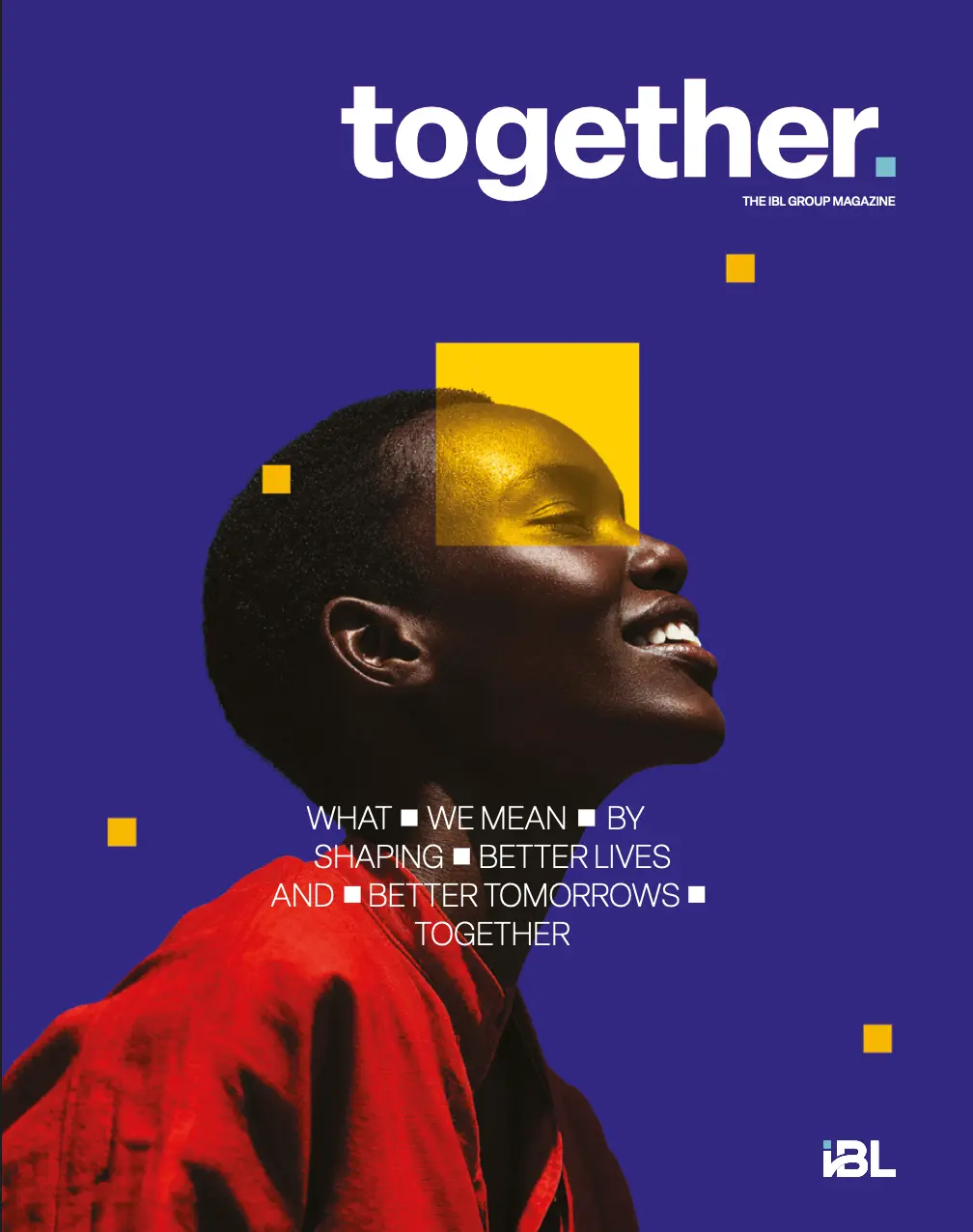
Discover what we mean by shaping better lives and better tomorrows through the stories in our latest together magazine.